The Work Above the Trail
Stewardship of the Greenway Canopy

By Jeff Havener
May 2026
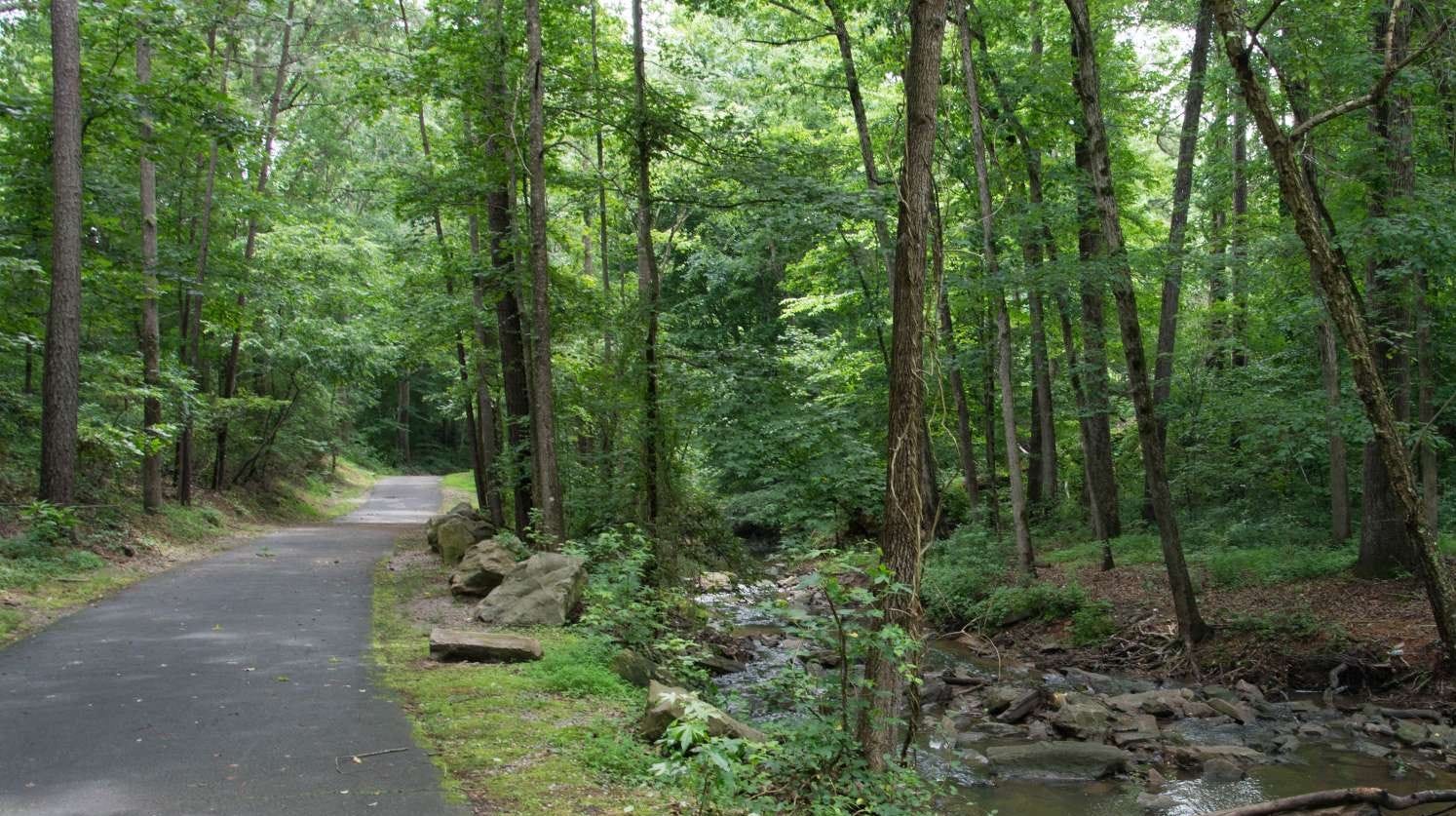
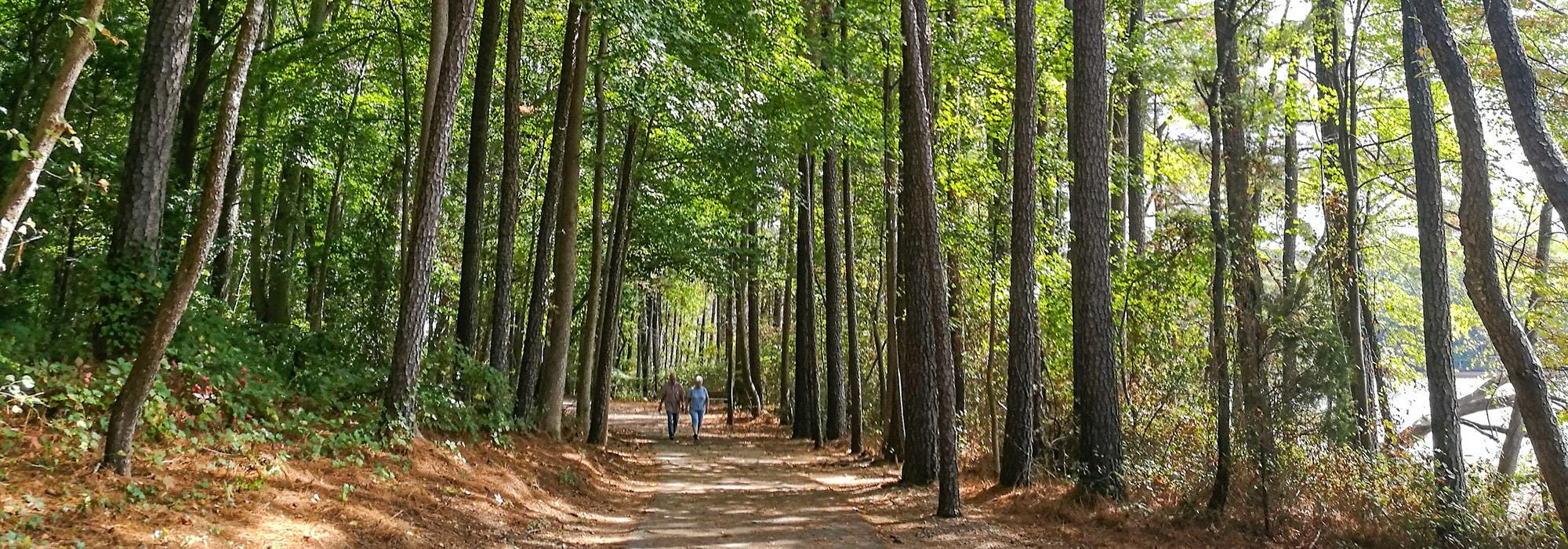
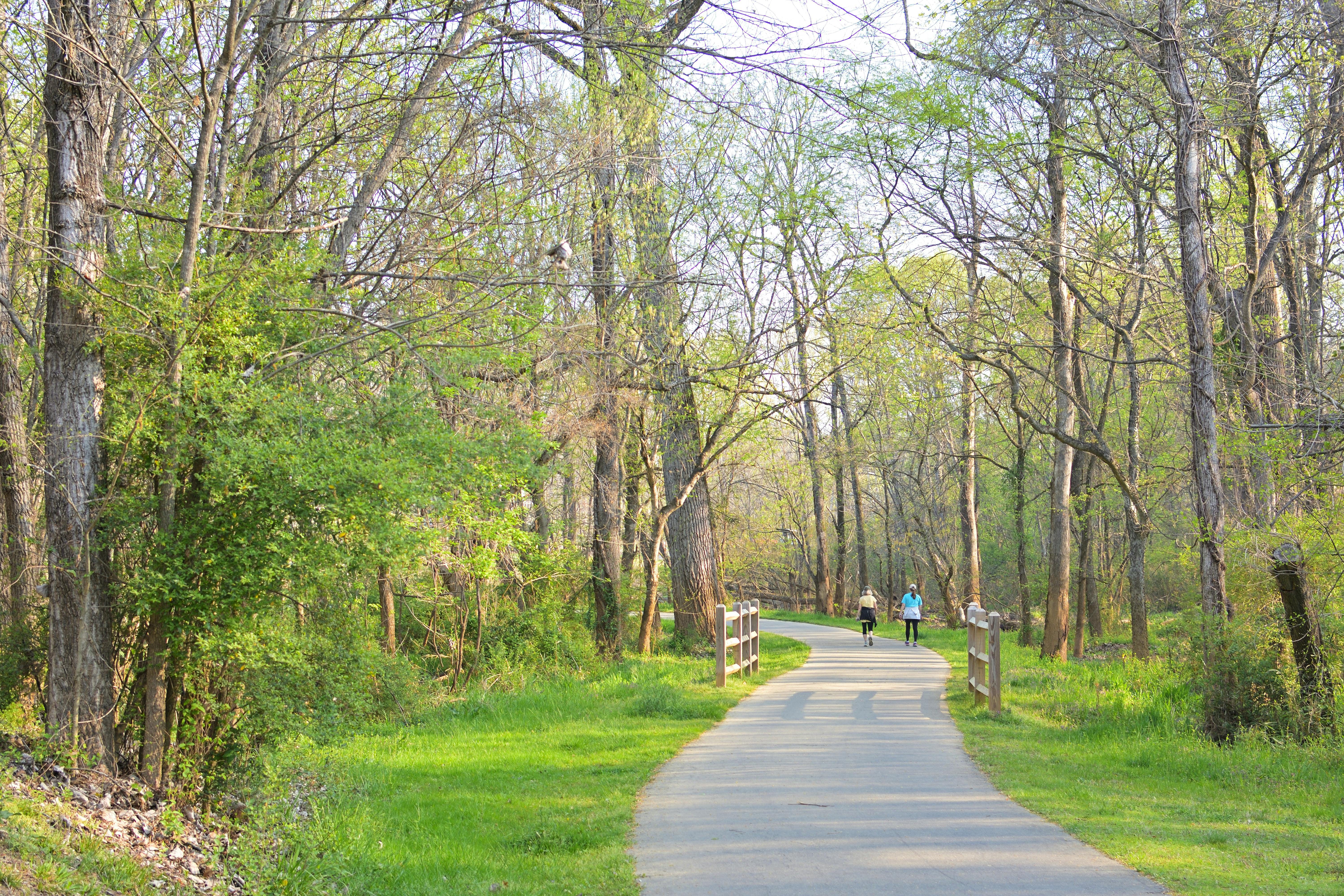
The canopy is full. The light is filtered. In the summer, the temperature drops almost immediately when you enter it. The trail feels settled, like it has always been that way.
But it has taken decades to get there.
And even here, the work isn’t finished. Sections of the Mine Creek Trail are preparing to be cleared for sewer infrastructure repair and replacement, necessary work that will change the experience almost overnight. What feels permanent is not permanent.
As one of the original corridors envisioned in Raleigh’s early greenway planning, Mine Creek now reflects decades of maturing canopy layered onto the public systems below it.
This corridor feels complete because that maturity was built slowly over decades. And now we are about to test how resilient that maturity really is.
Raleigh’s greenway system is often discussed as recreation infrastructure, or transportation infrastructure. But increasingly, it functions as something more complex: living infrastructure.
The canopy is the experience
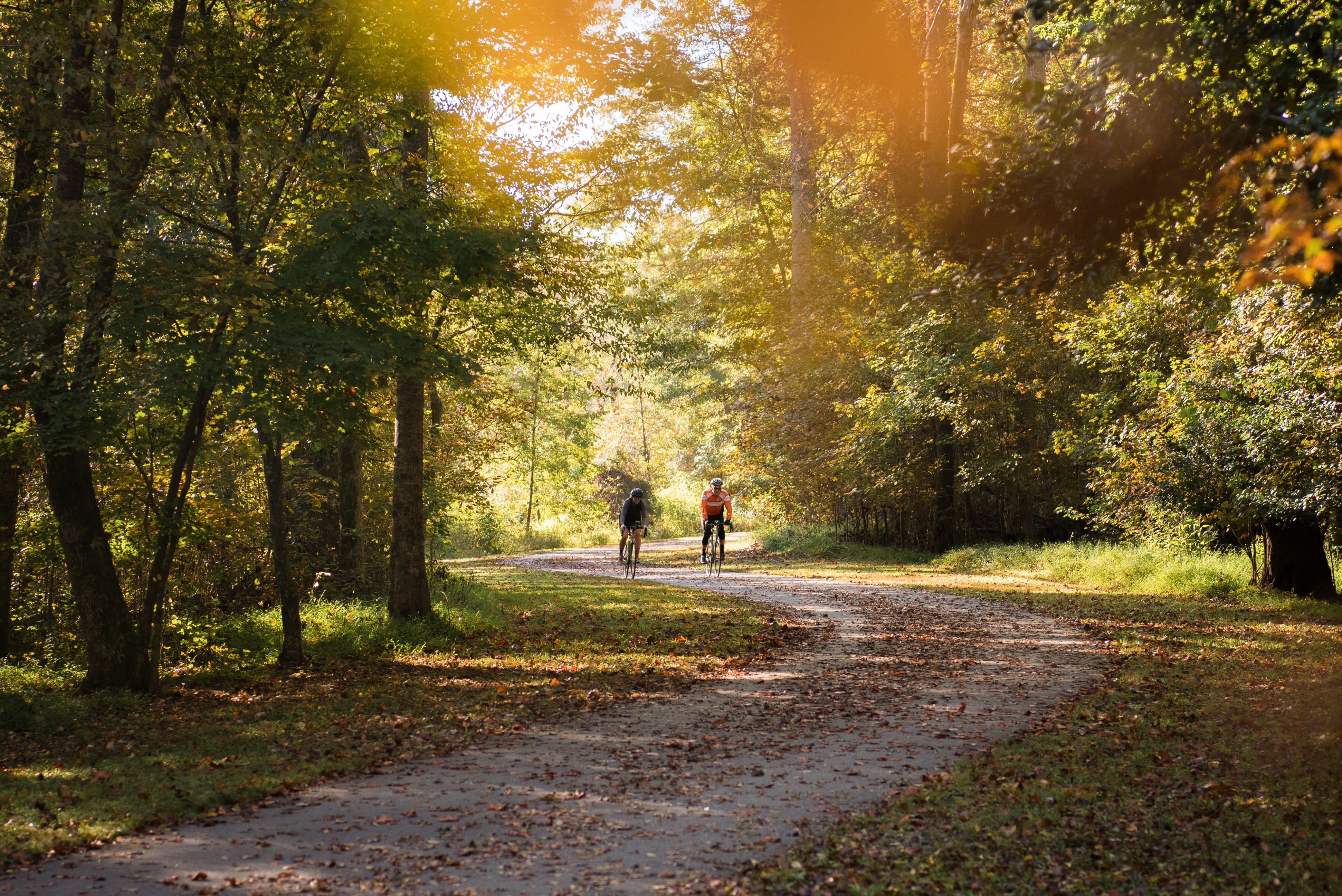
The greenway is not just a trail system. It is a complex infrastructure corridor made up of pavement, ecology, water, shade, habitat, utilities, and time. Not fixed or static. It changes continuously.
The greenway is, at its core, a corridor for movement: for recreation, transportation, or simply spending time outdoors; it allows us to go from one place to another in the city, and back, while enjoying the experience. In many ways, that path itself is the easiest part. It is what we identify with, and what we put on a map. But the pavement itself is not enough.
The trail defines where we go. The canopy defines how it feels.
Writer Sam Bloch recently described shade as a “forgotten natural resource.” Along the greenways, shade is part of the experience and performance of the corridor itself. Shade changes the scale of the greenway. The corridor feels enclosed, quieter, and more intimate. Sound softens beneath the canopy. Light becomes scattered and uneven. Familiar stretches of trail develop their own identity through the arrangement of trees, creek crossings, bends, and enclosure.
The effect is subtle, but cumulative. The canopy shapes not just comfort, but memory. It is often what makes one corridor feel distinct from another; it is what makes it ours.
But the value of the canopy extends beyond atmosphere and identity alone. Continuity matters. Along the greenways, connected canopy corridors help sustain habitat, ecological resilience, and the character of the system. Beyond atmosphere and identity, the canopy also shapes the ecological performance of the corridor. It affects how the broader system operates.
The canopy plays a significant role in the city’s hydrology. Along the brooks, streams, and creeks that the greenways follow, the canopy helps stabilize stream banks, absorb rainfall, and slow runoff before it reaches the water below.
Greenways make the canopy visible, both where it thrives and where it is missing.
Leaf Out is Raleigh’s citywide urban forestry initiative focused on safeguarding, expanding, and stewarding the city’s shrinking tree canopy. The program reflects a growing recognition that canopy shapes resilience, comfort, stormwater management, and the everyday experience of the city.
That conversation is especially visible along the greenways, where canopy continuity directly affects how the system performs. But protecting and restoring canopy is not just about planting trees. Long-term ecological management matters too. Invasive species like English Ivy and Chinese Privet often prevent native regeneration, choking out the next generation of forest growth before it can mature.
Stewardship requires long-term management of the natural systems that allow the canopy itself to recover over time.
Infrastructure, tradeoffs, and a system in motion
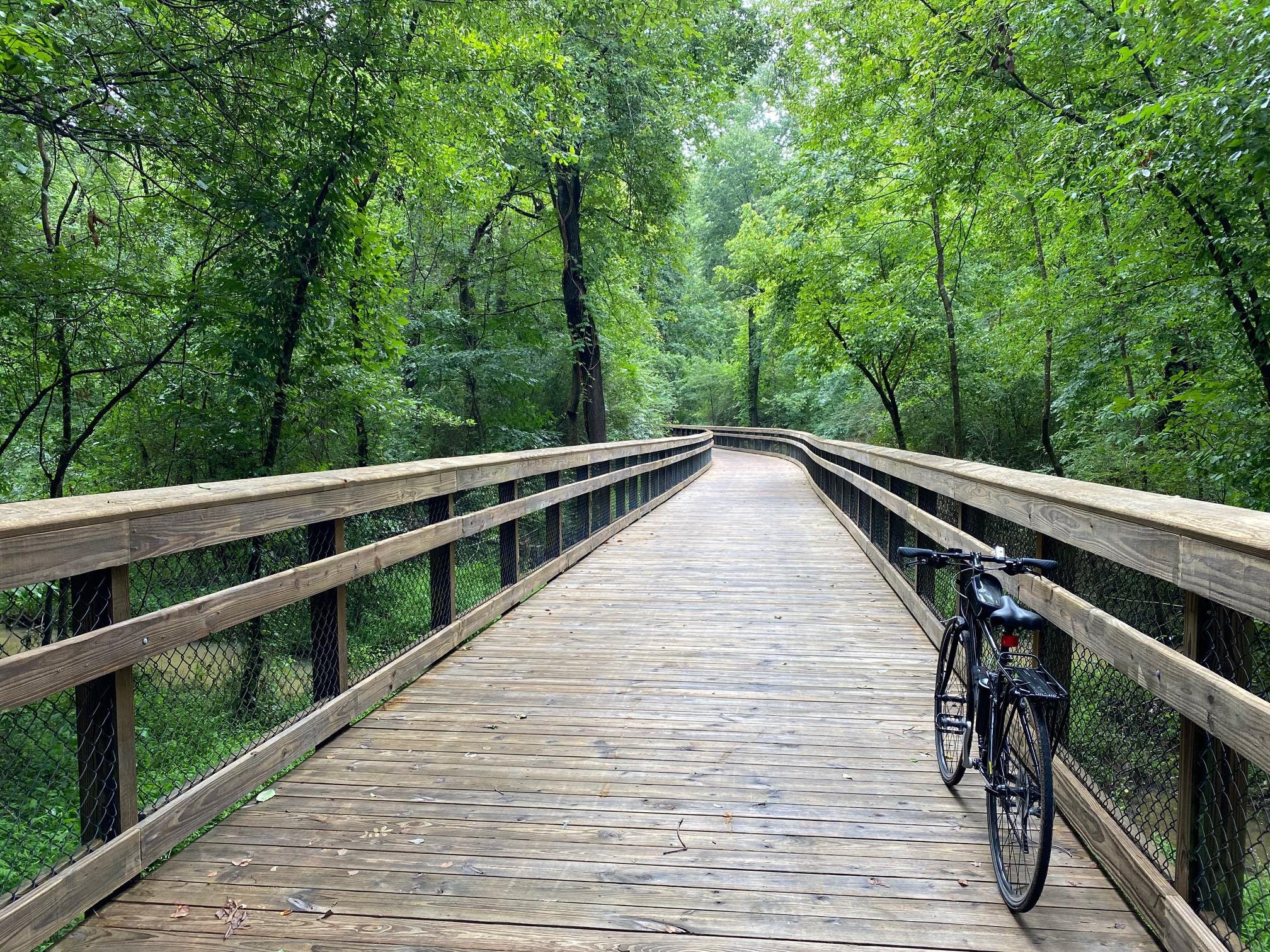
Raleigh’s greenway system was never designed as recreation infrastructure alone. From the beginning, it emerged from the overlap between creeks, floodplains, utility corridors, and public land.
When William Flournoy proposed Raleigh’s original greenway network in the 1970s, he recognized that these creek corridors already functioned as hidden infrastructure systems. Sewer lines, stormwater management, flood control, wildlife movement, and public access were already layered together within the same landscapes.
That overlap remains fundamental to how the system operates today. The same corridors that carry trails also carry stormwater and wastewater while functioning as wildlife corridors across the city.
But that layered relationship also creates tension. The infrastructure beneath the greenway requires maintenance and expansion over time, and because those systems occupy the same corridors, repairing one often requires disturbing the other.
Those tensions extend beyond construction impacts alone. Utility corridors are often managed with standards that prioritize long-term access and operational reliability, which can make sustained canopy growth difficult within the same spaces. The challenge is not whether those systems should coexist, they do, but how mature cities begin planning for both functions together over time.
The infrastructure beneath Raleigh’s greenways serves critical functions for the city: carrying sewer, managing stormwater, and helping protect surrounding neighborhoods from flooding.
As important to the functioning of the city as these systems are, other considerations are also at play. Work here has real impact. What takes decades to grow can be removed in days. The timeline of construction and the timeframe of restoration are not the same, but both should be considered as part of these decisions.
Mature ecological systems need help to restore themselves. It requires long-term planning, coordination, investment, and a willingness to think beyond immediate construction timelines. If canopy is part of the infrastructure itself, then restoration cannot be treated as an afterthought. It must be planned, funded, monitored, and managed as part of the project lifecycle.
Infrastructure work happens immediately. Ecological recovery unfolds over much longer timelines. Thoughtful planning, however, can shorten disruption, accelerate restoration, and help mature systems recover more intentionally over time.
When systems mature, stewardship becomes the work
Mature greenway systems require environmental stewardship, not just physical maintenance and expansion. The work increasingly shifts from building new miles to managing the long-term health and performance of the corridors that already exist.
Infrastructure projects routinely account for financing, construction schedules, and long-term maintenance. Recovery should be treated with the same level of intentionality rather than relying on passive restoration alone. If projects are planned, funded, and measured over time, canopy recovery should be approached the same way from the beginning. Greenway projects must recognize that the work is not complete the day construction ends. Project schedules are being measured by the wrong clock; time to heal and regenerate must be included in the thinking and planning.
This evolving perspective is reshaping how cities approach urban canopy and long-term environmental performance more generally. This broader shift reflects a growing recognition that canopy is not just environmental. It is infrastructure that must be planned for.
As the system has matured, so has the need to help people understand what they are seeing, why it is happening, and how it fits in with the city’s systems. Organizations, volunteers, and advocates now operate in that space, supporting long-term care of the system, sharing information, and connecting people to a system that is constantly evolving, even when it doesn’t appear to be. Stewardship increasingly depends on helping the public understand that evolution over time.
Like the greenway system itself, a mature canopy is accumulated over generations. It cannot simply be installed. It has to be stewarded, restored, and continuously managed over time.
Stewardship in practice and the long view
The canopy has never been fixed or permanent. It has always been shaped by growth, disturbance, recovery, and time. Treating that change as part of the infrastructure itself requires the same level of long‑term planning and stewardship as the systems below the trail.
What feels complete today was once new. And what is cleared today will not remain open forever.
Mine Creek Trail feels settled because decades of natural growth have matured around it. The shade, cooling, enclosure, and character of the corridor were built slowly over time. What is now preparing to be cleared for necessary infrastructure work will eventually begin that process again. With some forethought, that recovery could be accelerated.
That idea extends beyond the greenway itself. Across Raleigh, the urban canopy plays a similar role: cooling streets, shaping public space, and influencing how people experience the city day to day. Efforts like Raleigh Leaf Out reflect a growing recognition that tree canopy is not just environmental. It directly shapes how the city functions and feels.
The greenway system is increasingly being understood through that same lens. Raleigh’s Greenway Master Plan increasingly recognizes these corridors as more than recreational trails, framing them as connected systems of mobility, ecology, public space, and civic infrastructure.
The work of a greenway isn’t just what we build. It’s what we grow, restore, and sustain over time, often unnoticed, and always above the trail.
Related Reference:
Capital Area Greenway Canopy Strategy: Design, Monitoring & Restoration